Return to Alma Mater, See China Again: Bangladeshi Students in Yunnan Bridge China-Bangladesh Friendship
来源:InKunming时间:2026-09-24 10:37:51

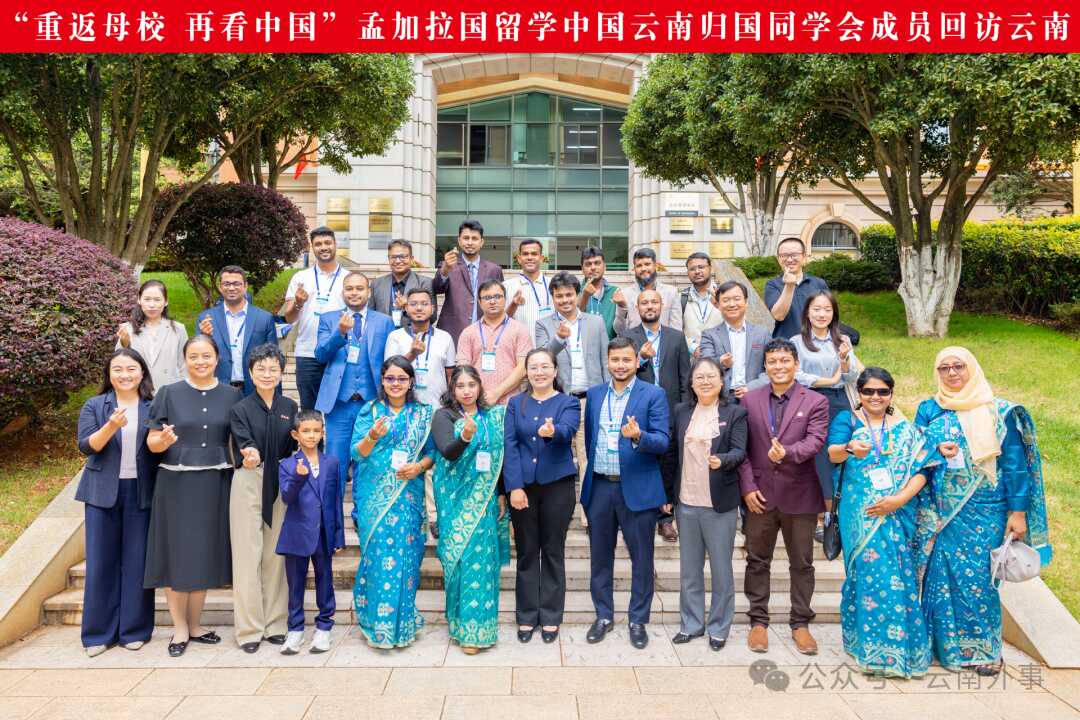
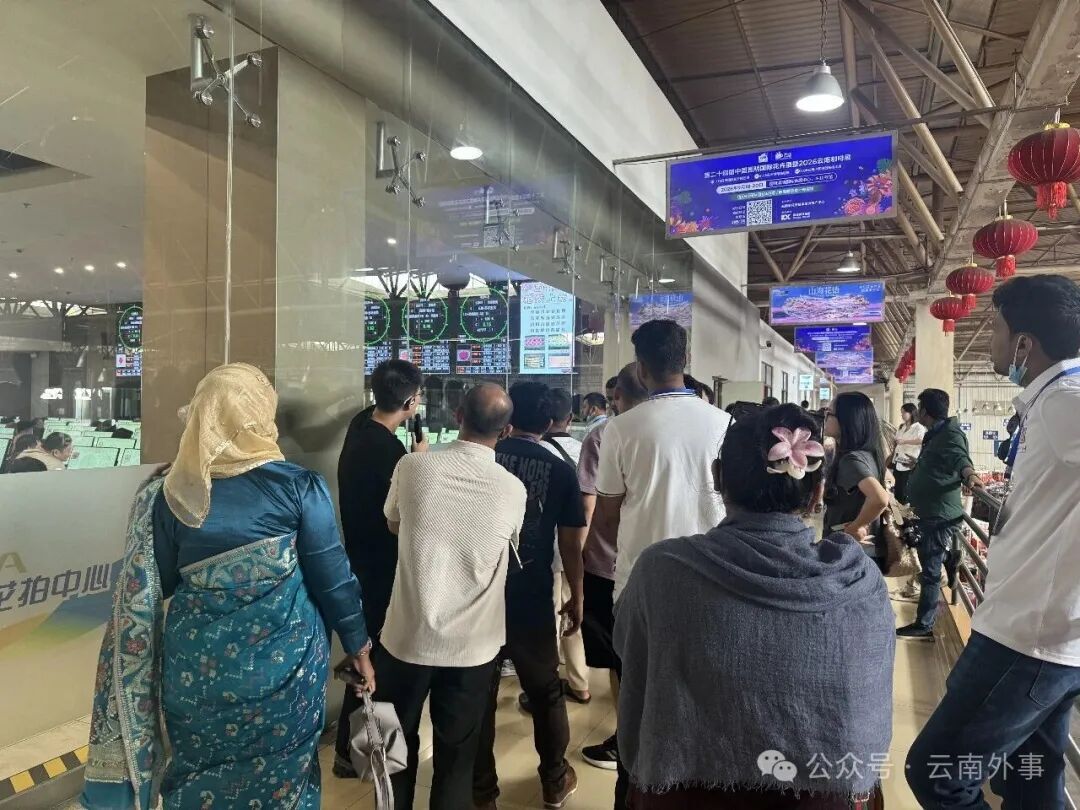
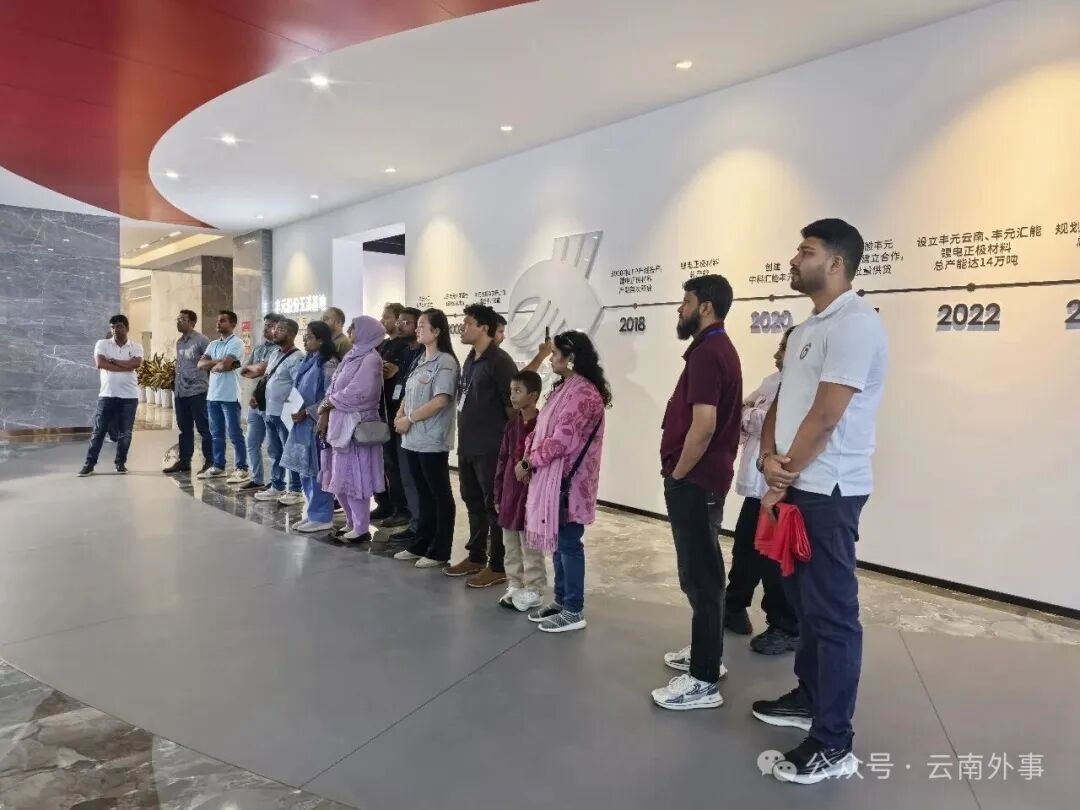
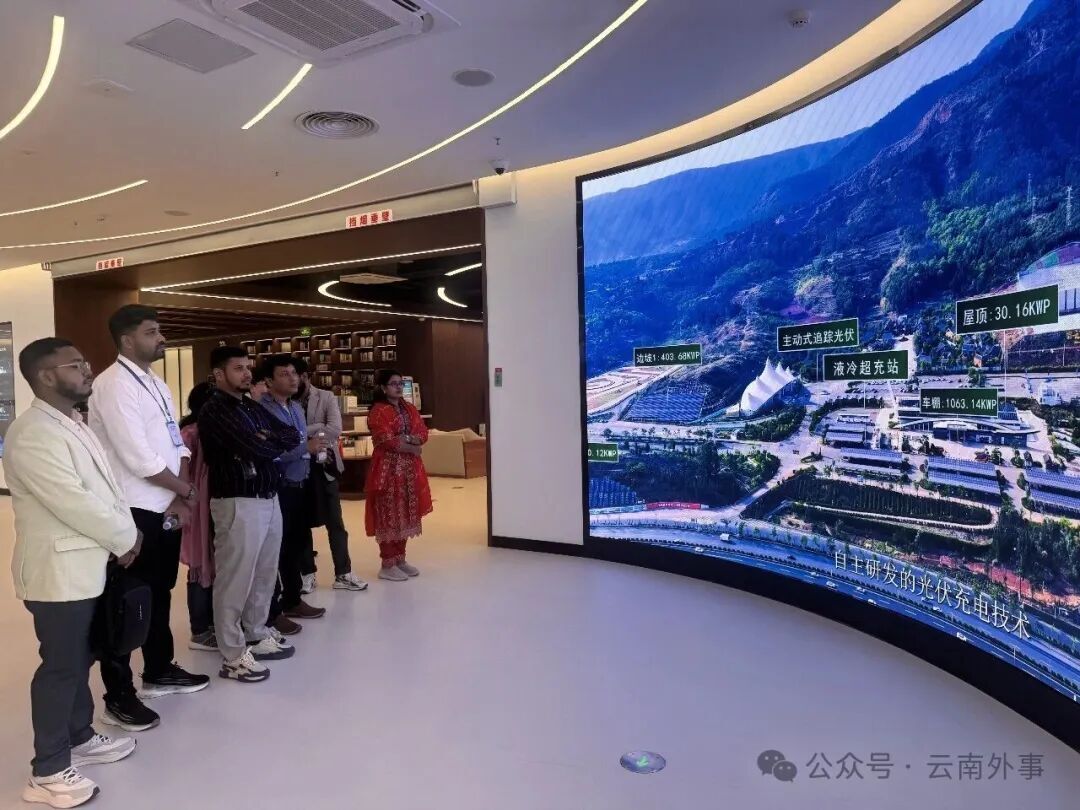
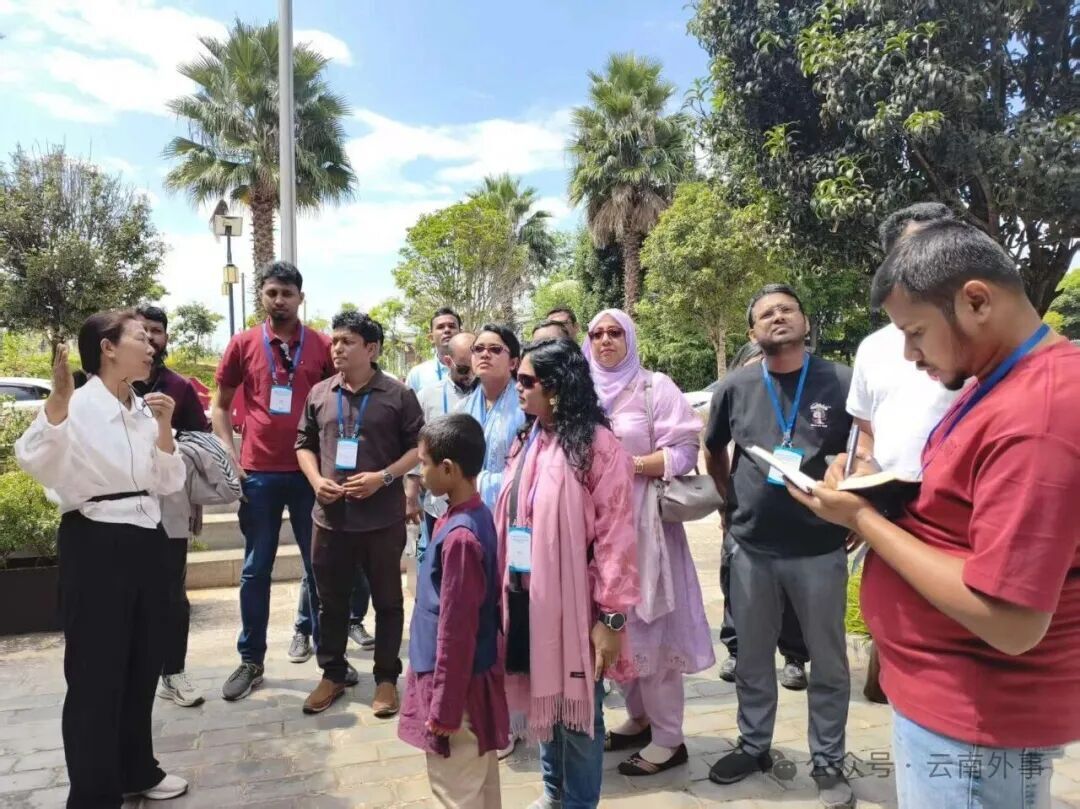
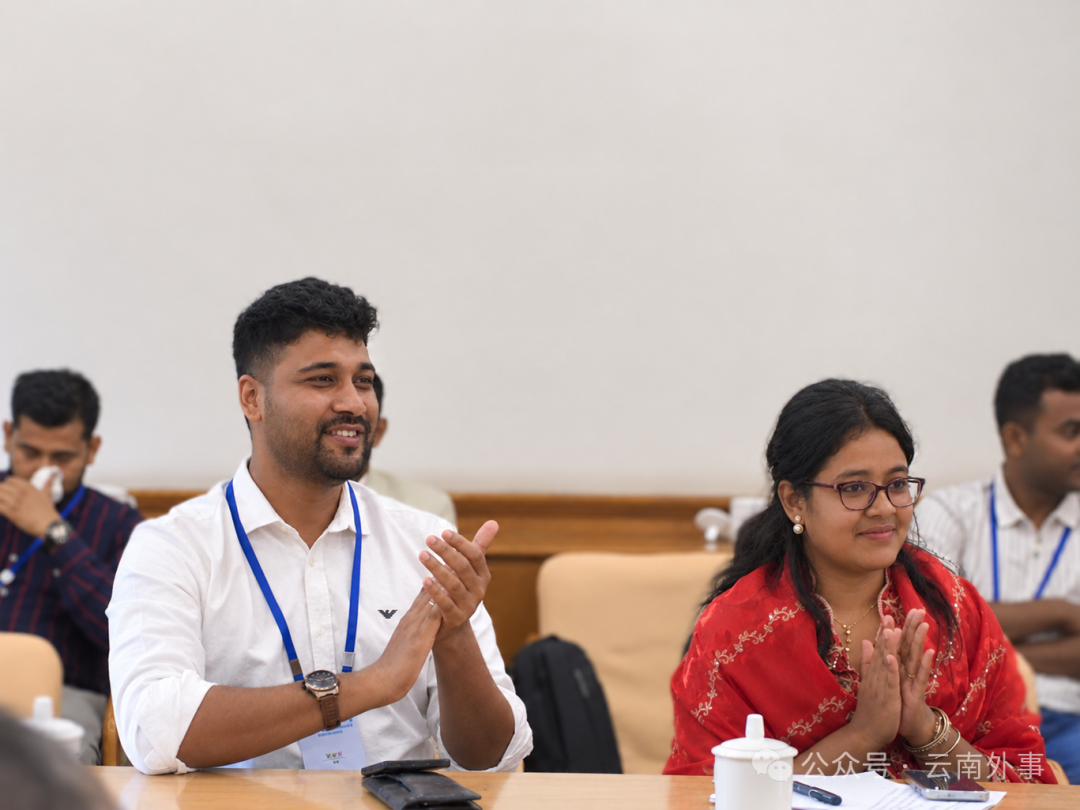
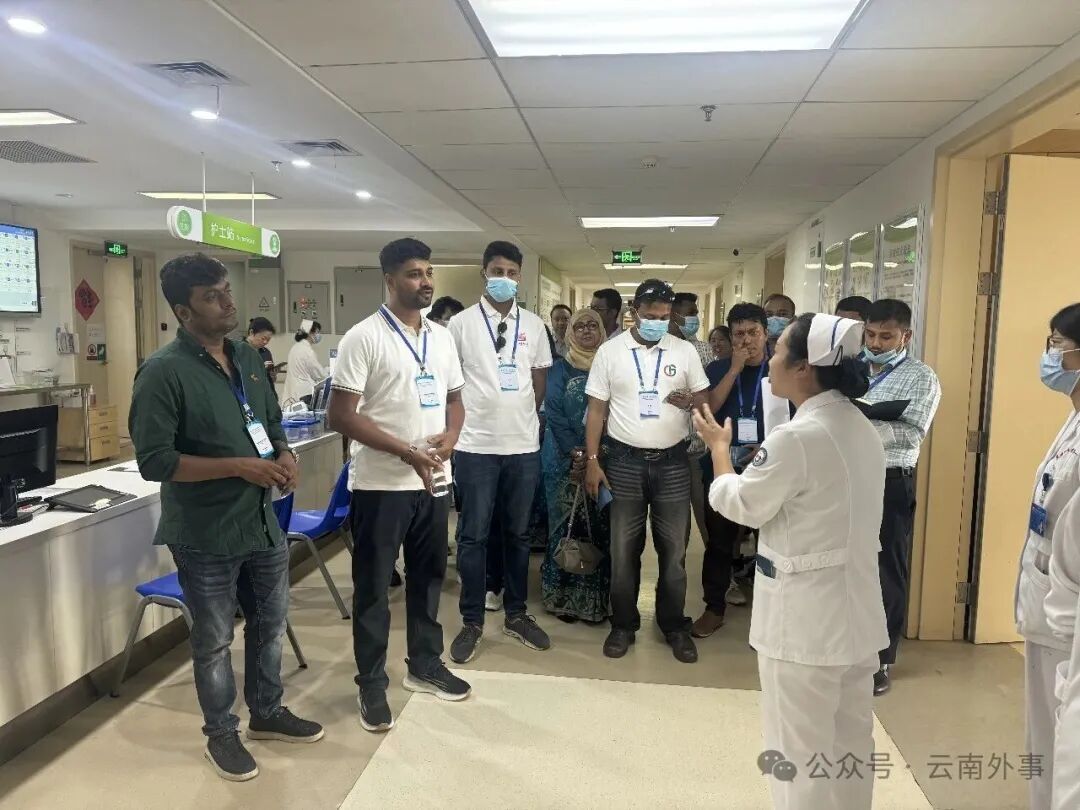
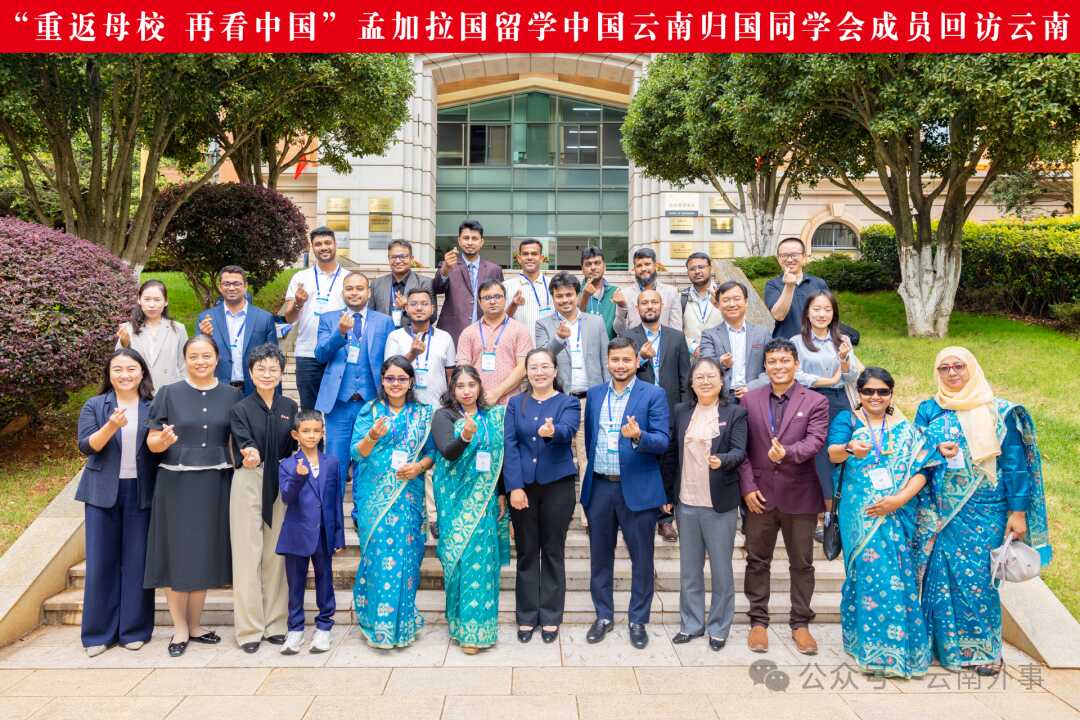
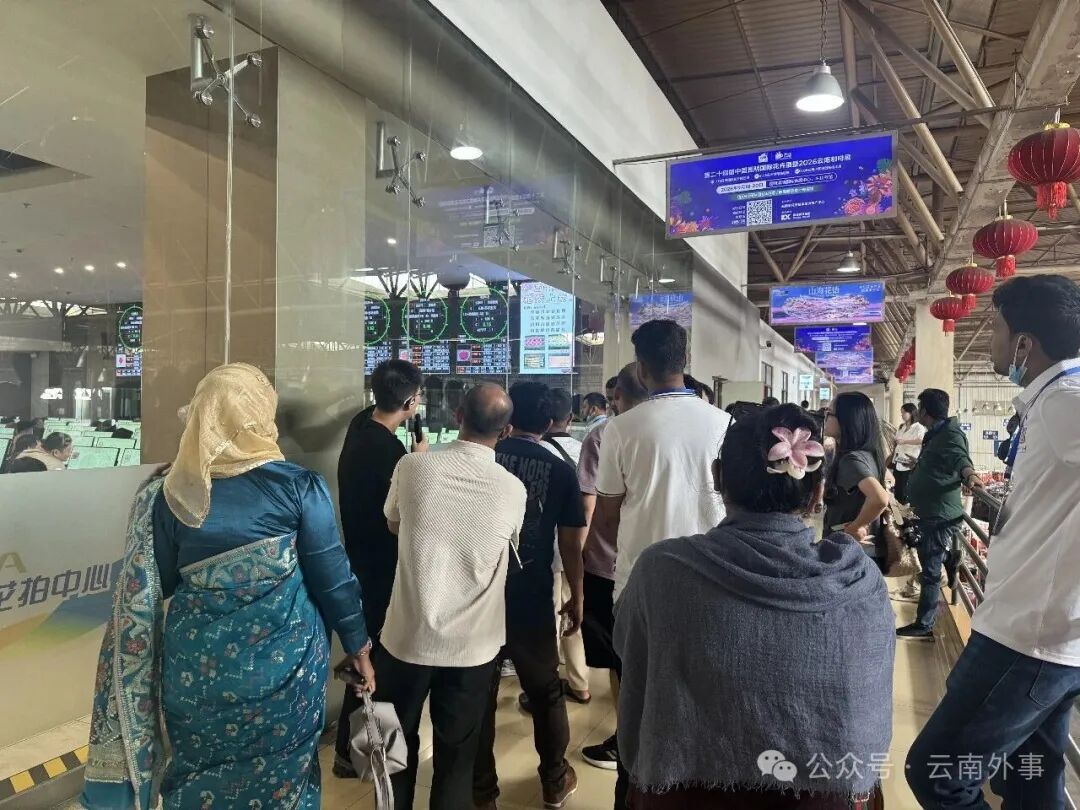
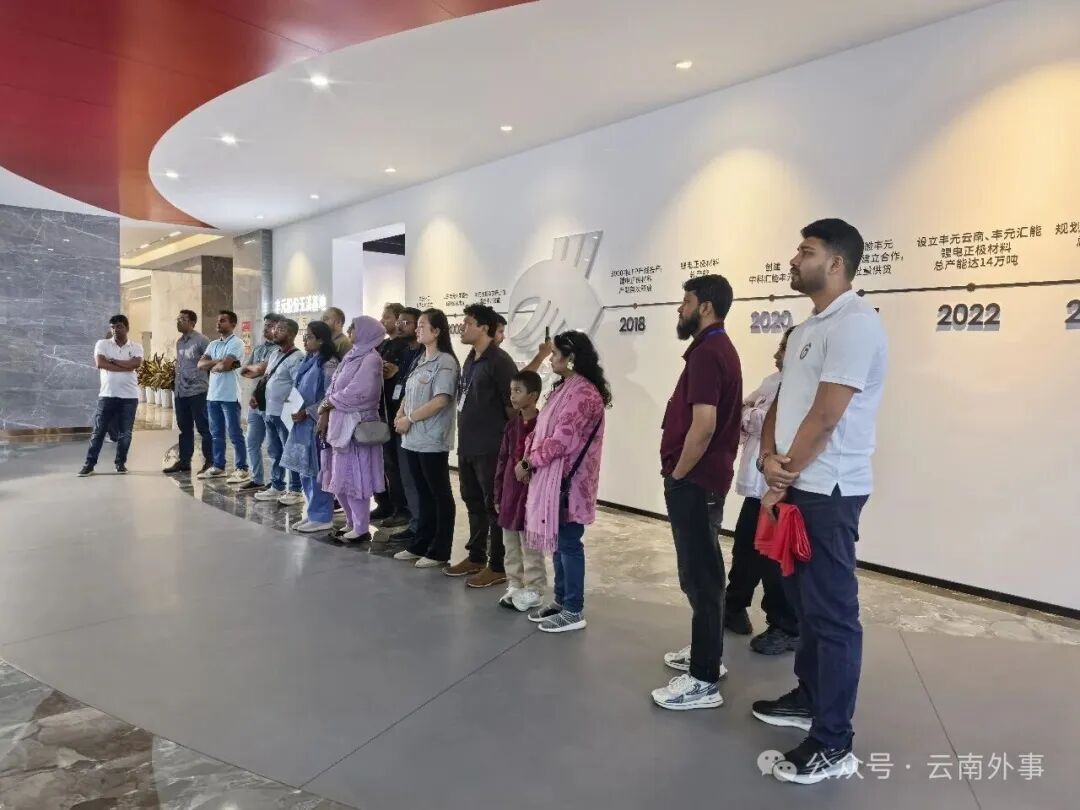
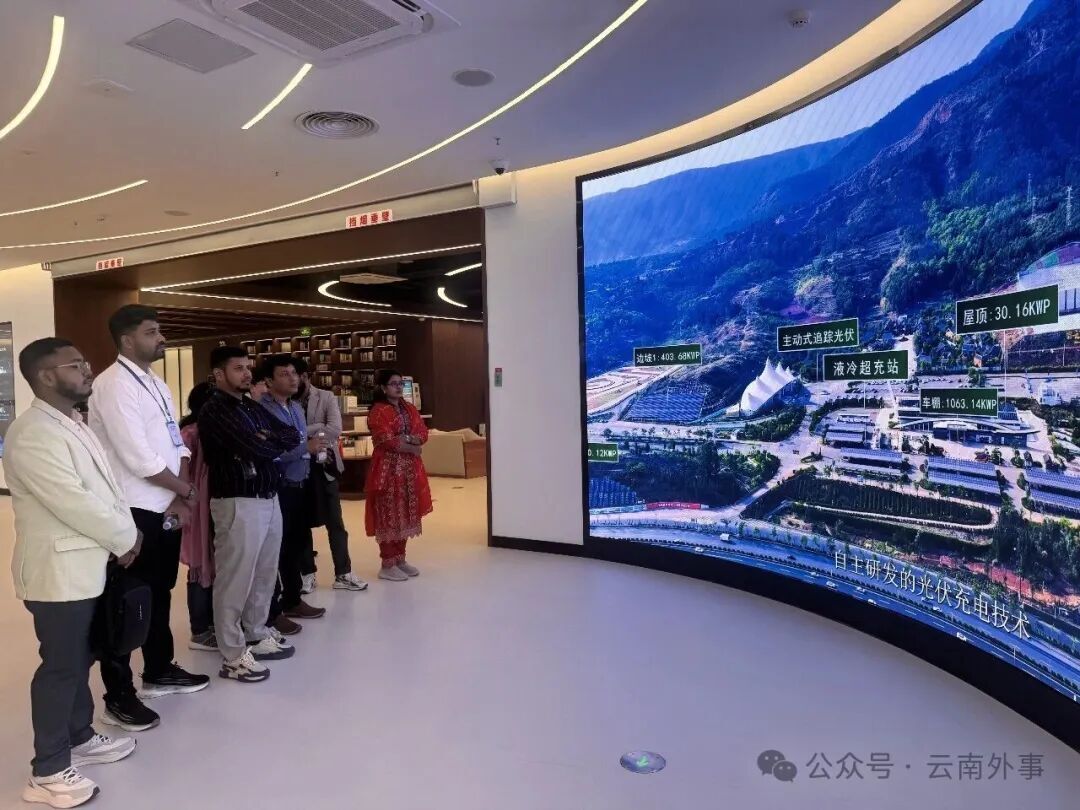
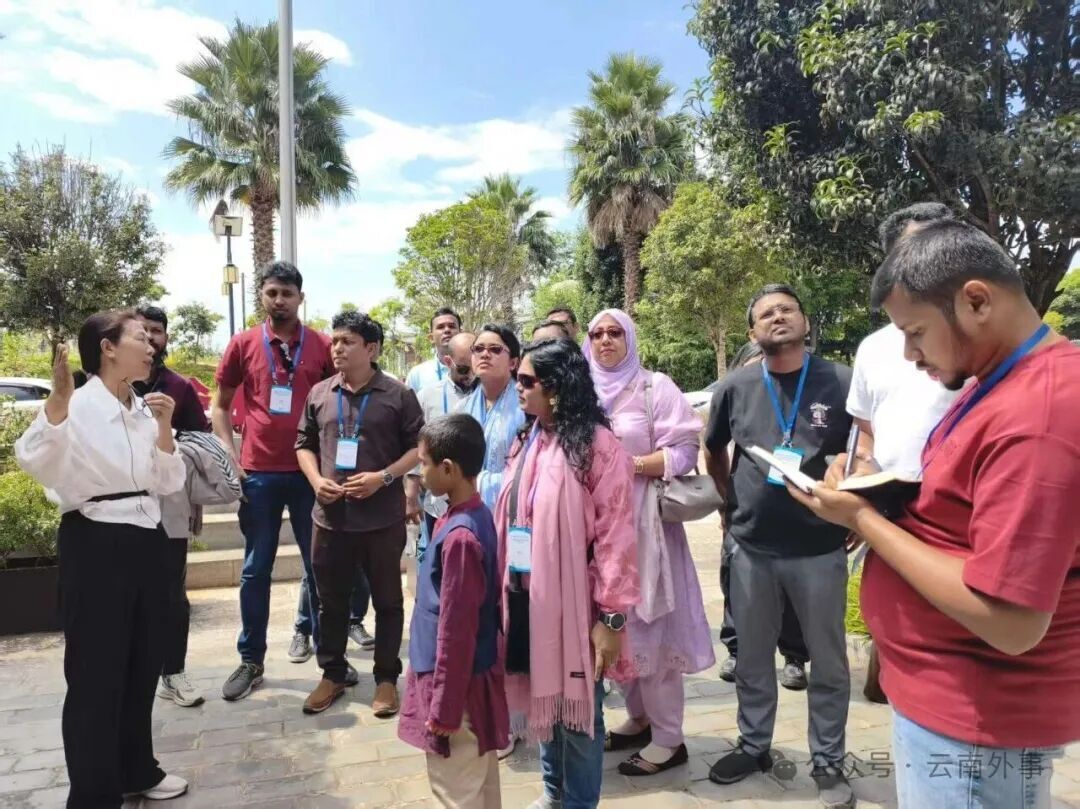
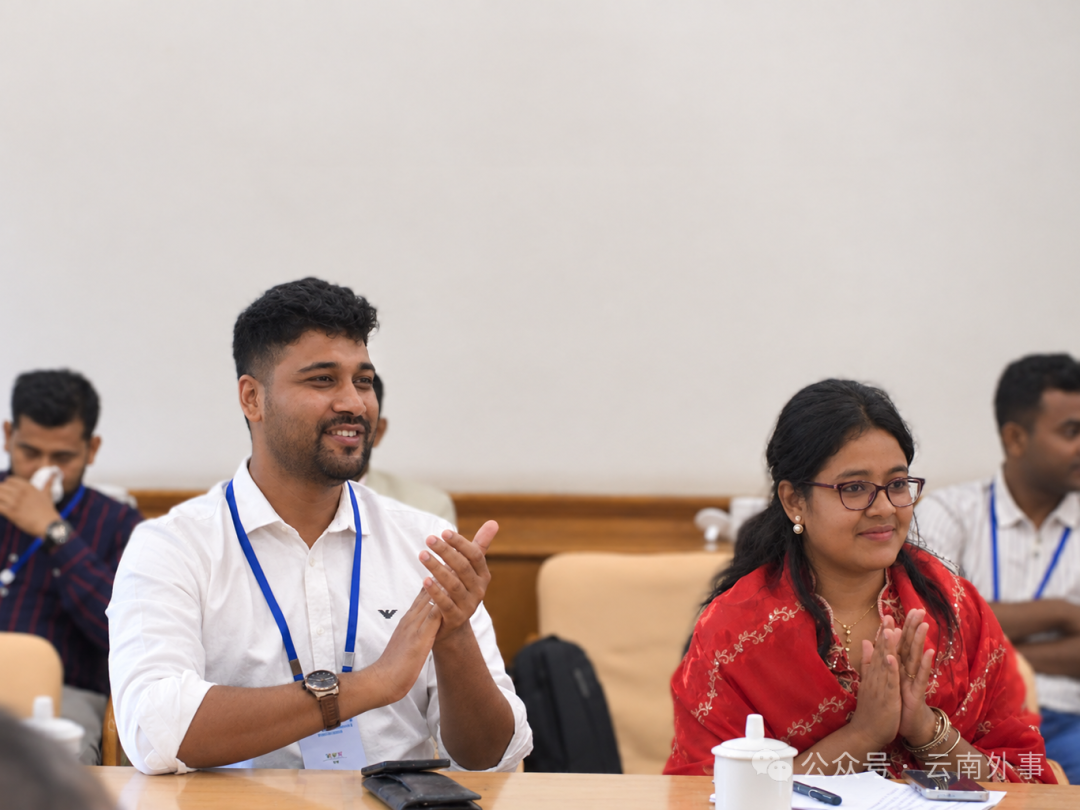
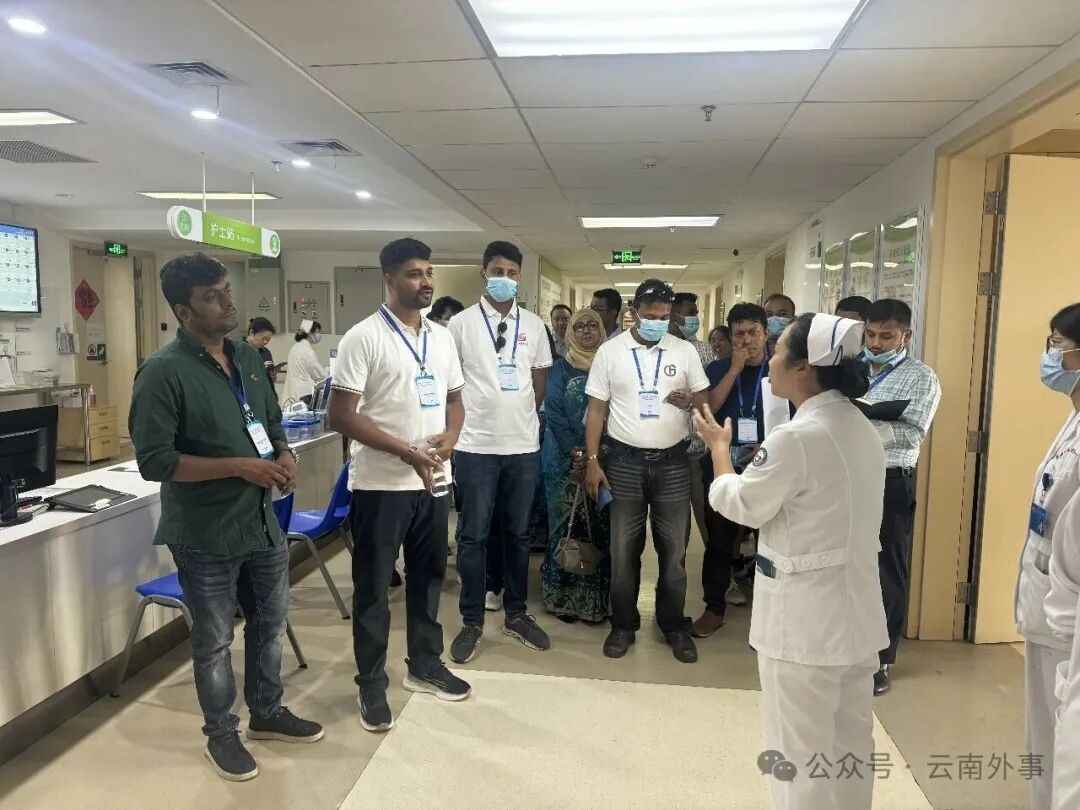
Recently, under the guidance of the Foreign Affairs Office of the People’s Government of Yunnan Province and Yunnan University, a "Return to Alma Mater, See China Again" homecoming trip was organized for members of the Association of Bangladeshi Alumni of China (Yunnan). After years away, 19 Bangladeshi alumni who had once studied at universities across the province—including Yunnan University, Kunming Medical University, Yunnan Minzu University, Yunnan Normal University, Kunming University of Science and Technology, and Southwest Forestry University—returned to their alma maters and to their "second hometown" of Yunnan. There they reunited and caught up with former teachers and classmates, visited Kunming, Yuxi, and other places, and experienced the changes China has seen in recent years in urban planning, infrastructure, rural revitalization, healthcare, industrial development, ecological conservation, and other fields.
Starting in September 2022, China granted Bangladesh zero-tariff treatment on 98% of its tariff lines, an arrangement that was upgraded in December 2024 to preferential zero-tariff treatment covering 100% of tariff lines. This continuously expanding policy has opened up a vast Chinese market for Bangladesh's distinctive products and become a key driver of mutually beneficial China-Bangladesh trade and economic cooperation. These returning graduates, deeply engaged in commerce and industrial exchange, are both firsthand observers of these policies and active promoters of bilateral cooperation.
After graduation, Yunnan University alumnus He Liya has been engaged in cross-border trade between China and Bangladesh and now serves as CEO of Mengyun Company. In his view, the upgraded zero-tariff policy has expanded the range of products covered. If businesses in both countries make full use of this policy window, bilateral trade is expected to grow further, bringing greater benefits to the real economies of both countries. His company is currently preparing to expand into the agricultural sector. Due to the seasonal nature of agricultural production, it plans to make use of the preferential policy in the next agricultural production season.
Also a graduate of Yunnan University, Murong Qi works in garment exports and is now business manager at Kaixi Fashion Bangladesh Co. Ltd. He sees great promise in the signals the policy sends. "Lower tariff barriers will drive two-way investment flows and create more cooperation opportunities across various industries in Bangladesh and China," he said.
Beyond trade in goods, alumni are turning their attention to technology exchange as a new frontier for cooperation. Yunnan University alumnus Mo Yan, now at Byter Crop Protection Bangladesh Co. Ltd., has long followed agricultural cooperation between Bangladesh and China. He notes that Bangladesh relies heavily on China for agrochemical imports, while its farming still depends largely on manual pesticide application, which is labor-intensive and inefficient. Chinese drone-based crop spraying, by contrast, saves time and labor and suits local farming needs well. What he hopes to see is Chinese agrochemical and farm machinery companies making their way into Bangladesh, so that this kind of practical, "small yet beautiful" cooperation can bring real, tangible gains to ordinary workers.
For this tariff benefits to deliver real results, market players in both countries must put them into practice. Zero tariffs remove institutional barriers in import and export, helping goods, technology, and capital flow more freely, and laying a solid people-to-people and business foundation for a China-Bangladesh community with a shared future.
Economic and trade cooperation builds bridges between countries, while people-to-people exchanges bring hearts closer. When they first arrived in Yunnan, language barriers, cultural differences, and misinformation from abroad stood as formidable obstacles. Yet the sense of distance often dissolves through the simplest, most ordinary moments.
Li Liya, a local Chinese language teacher at the Confucius Institute at North South University in Bangladesh, came to Yunnan University from Dhaka in 2015 to study Teaching Chinese to Speakers of Other Languages. Before setting off, she had heard many one-sided accounts about China and felt anxious about the journey. But the moment she arrived in Kunming and saw the clear blue sky, a sense of wonder began to take root in her heart, marking the beginning of her journey of embracing and growing fond of this land.“Kunming is my second home. No matter where I go, Kunming will always be a place close to my heart,” Li Liya said fondly.
Zhu Bifang, a senior HR consultant at Zhejiang Dahua Technology Co., Ltd. in Bangladesh, came to Yunnan in 2012 to study clinical medicine at Kunming Medical University. He recalls that his early days in a foreign country were full of challenges. "I couldn't speak the language, and even managing daily life was a struggle. On top of that, different eating habits and having no social circle often left me feeling lost,” he recalls. Classrooms can teach you professional knowledge, he says, but they can hardly teach a newcomer how to settle into everyday life in a foreign place. What truly melted his sense of distance was the kindness and openness of ordinary Yunnan people, along with the care and help he received from neighbors, classmates, and teachers in the small moments of daily life. Slowly, he developed a genuine sense of belonging, and Yunnan became a second hometown he can never let go of.
Once back home with their degrees, they have taken on the role of cultural ambassadors. Li Liya champions Chinese language education on her campus, sharing a firsthand view of China with friends and family to counter stereotypes. Jiang Hao, who holds a PhD in ethnology from Yunnan Minzu University and now serves as dean of the law school at North East University Bangladesh, studies Chinese alongside his wife, who earned her PhD in the language in Yunnan. He often shares what he has seen of China's development with people in his community, and "once you've been to China, you'll want to go again" is a refrain he likes to repeat. Zhu Bifang sees education cooperation and medical outreach as two important paths to deepening bilateral ties. "China has truly excellent medical resources, but most Bangladeshis don't know about them—those of us who have lived in China know very well." He believes that those who have studied in China are uniquely positioned to show their fellow Bangladeshis what Chinese education and healthcare are really like.
The meaning of studying abroad goes beyond changing individual lives. In Yunnan, these young people grew, learned and found their own paths, before bringing a real and multidimensional picture of China back home. The true value of “zero” lies in the endless possibilities for cooperation that emerge when barriers fall. As they put it, mountains and seas may lie far apart, but hearts can always be brought to “zero distance.”

近期,在云南省人民政府外事办公室和云南大学牵头组织下,“重返母校 再看中国”孟加拉国留学中国云南归国同学会成员回访云南活动举办,曾就读于云南大学、昆明医科大学、云南民族大学、云南师范大学、昆明理工大学、西南林业大学等省内高校的19位孟籍归国校友在阔别母校多年后,再度回到“第二故乡”云南,与昔日师长和同窗重逢交流,参访昆明和玉溪等地,感受中国近年来在城市规划、基础设施、乡村振兴、医疗卫生、产业发展及生态保护等各领域的发展变化。
从2022年9月中方先行给予孟加拉国98%税目产品零关税安排,升级至2024年12月起实施100%税目产品零关税特惠待遇,持续扩容的政策安排,为孟加拉国特色商品打开广阔的中国市场,成为中孟经贸互惠的重要抓手。这批深耕商贸、产业交流的归国留学生,既是政策的亲历观察者,也是双边合作的积极推动者。
云南大学校友何力亚毕业后往返中孟从事跨境贸易,出任孟云公司首席执行官。在他看来,升级后的零关税政策拓宽了产品覆盖范围,倘若两国贸易主体用好政策窗口,双边贸易规模将进一步提升,惠及两国实体经济。目前他的企业正聚焦农业板块开展对接筹备,受农产品生产季节限制,计划在下一个农业产季申请落地享受政策红利。
从事服装外贸的慕容齐同样毕业于云南大学,目前在凯熙服饰孟加拉有限公司担任商务经理,他十分看好政策释放的发展信号。“关税门槛的降低,能够带动双向投资流动,为孟中各行业创造更多合作机会。”慕容齐说。
除货物贸易之外,技术互通成为校友们关注的合作新方向。云南大学校友莫言目前就职于拜特作物保护(孟加拉国)有限公司,长期关注孟中农业合作。他介绍,孟加拉国农用化工产品多依赖从中国进口,农业生产依旧多数依靠人工施药,劳动效率普遍较低;中国无人机植保技术省时节力,十分适配当地农业发展需求。他期待中国农化、农机企业走进孟加拉国,以这类务实的“小而美”产业合作,让普通劳动者切实感受合作收益。
这份关税利好政策,最终需要依靠两国市场主体落地见效。“零关税”打通进出口环节的制度障碍,帮助商品、技术、资本更顺畅地往来流动,为中孟命运共同体建设夯实民间经贸基础。
经贸合作架起国与国之间的桥梁,而人文交往则拉近人与人心的距离。初到云南之时,语言不通、文化差异、海外不实信息,是横亘在大家面前的重重阻碍。距离的“清零”,往往始于一件件平凡细碎的小事。
孟加拉国南北大学孔子学院本土汉语老师李丽娅2015年从达卡飞往昆明,在云南大学学习汉语国际教育。出发前,她曾听闻不少关于中国的片面传言,内心满是忐忑。直到落地昆明望见澄澈蓝天的那一刻,一种奇妙的情绪在心底萌生,就此开启她对这片土地的接纳与热爱。“昆明就是我的第二个家。不管我走到哪里,昆明永远是我牵挂的地方。”李丽娅深情说道。
孟加拉国大华科技有限公司高级人事咨询师朱毕方2012年来到云南,在昆明医科大学学习临床医学,他表示,初到异国的日子充满重重考验。“不仅语言不通,连日常打理个人生活都颇为吃力;再加上饮食习惯的差异、社交圈子的空白,都让我时常陷入茫然。”朱毕方坦言,课堂能够传授系统的专业知识,却很难教会一个异乡人如何适应一方土地的烟火日常。而正是身边普通云南百姓待人接物的善意与包容,邻里、同学、师长在生活点滴里给予的关心帮扶,一点点融化了他内心的隔阂,让他对这片土地生出真切的归属感,云南也由此成为他记忆里难以割舍的第二故乡。
学成归国之后,他们化身文化使者。李丽娅在本国校园积极推广中文教育,向身边亲友讲述真实的中国,破除刻板印象;江浩是云南民族大学民族学博士,现任孟加拉国东北大学法学院院长,他与留滇攻读汉语博士的妻子共同坚持中文学习,常常向乡里邻里分享中国发展见闻,“去过一次中国,就会想要再来中国”是他常挂在嘴边的感悟;朱毕方认为,教育合作和医疗推广是深化两国关系的两条重要路径,“中国有非常优质的医疗资源,但大多数孟加拉国人并不知道,而我们这些在中国生活过的人非常清楚。”他相信,通过留学生群体向孟加拉国同胞介绍真实的中国教育和医疗,有独特的传播价值。
留学的意义不止改变个体命运。这群青年在云南完成自我成长,又把真实立体的中国故事带回祖国。“零的价值”,更在于破除壁垒之后,迎来无限合作的可能。大家表示,山海或许遥远,但人心可以实现“零距离”。

